This training curriculum is designed to help drivers develop their defensive driving skills and offers up best practices on how to anticipate the potential for danger and avoid it.

Transportation & Driver Safety Training
Both new and veteran commercial motor vehicle (CMV) drivers need transportation safety and compliance training to help them avoid accidents and DOT violations. J. J. Keller® DOT & driver safety training programs — developed in cooperation by our regulatory experts and adult learning specialists — can help keep your drivers vigilant.
Popular DOT & Driver Safety Training Topics
Choose from our popular DOT & driver training topics below or view our full library of transportation training titles in the course library.
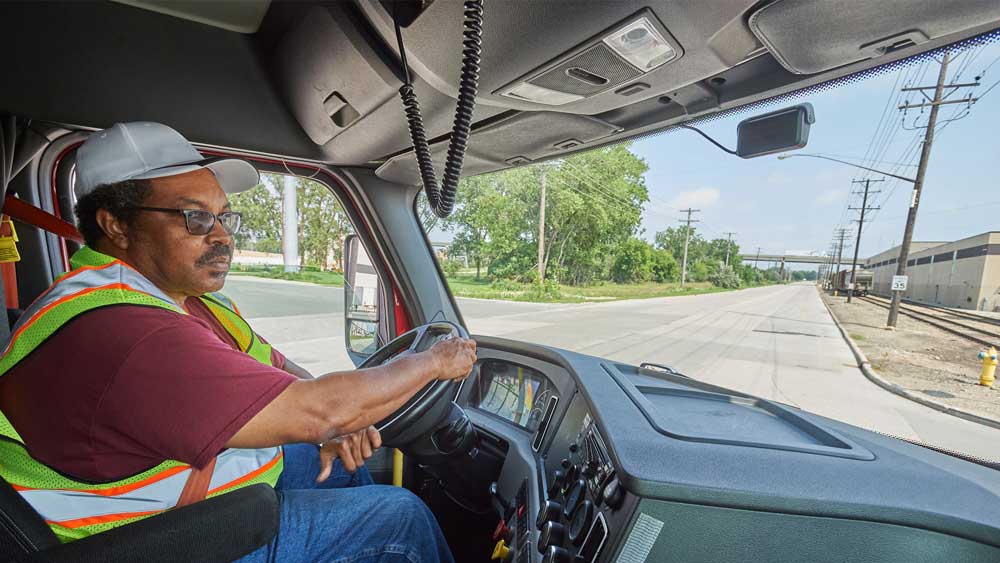
Entry-Level Driver Training: Basic Controls
This Entry-Level Driver Training course is designed to help drivers understand basic vehicle controls and maneuvers.

Distracted Driving Prevention
This training program is designed to help drivers stay focused on the road, recognize the signs of a distracted driver, and understand how to manage distracted drivers.

Defensive Driving for CMV Drivers: Manage Speed and Space
This defensive driving training program helps drivers recognize how to effectively manage speed and space.
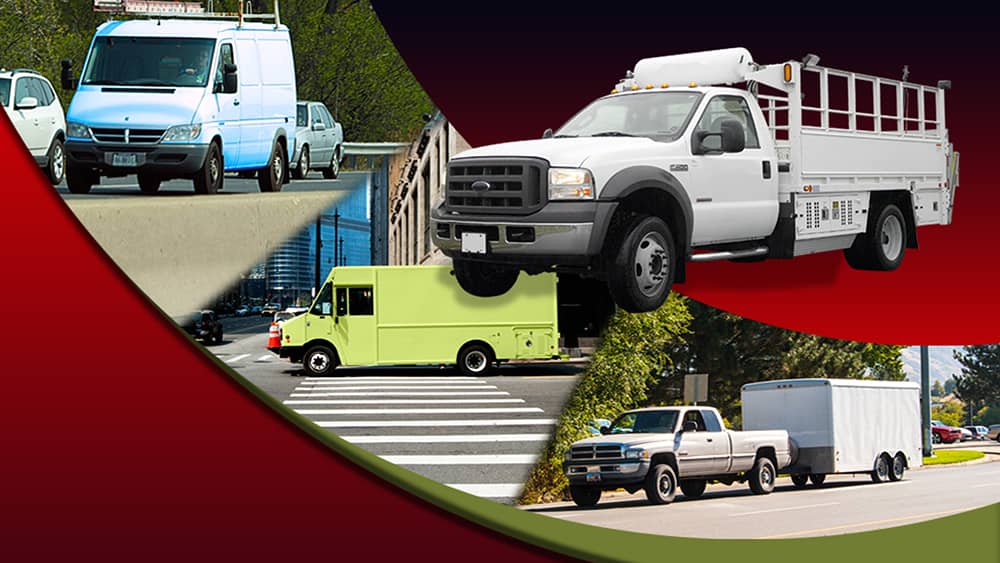
Defensive Driving for Light and Medium Duty Vehicles
This program is designed to familiarize drivers of Class 1-6 light or medium duty vehicles about defensive driving preparation, hazard perception, and attitude techniques.

Reasonable Suspicion Training: Who It Applies To
This training is designed to help driver supervisors understand some of the facts and statistics resulting from alcohol misuse.
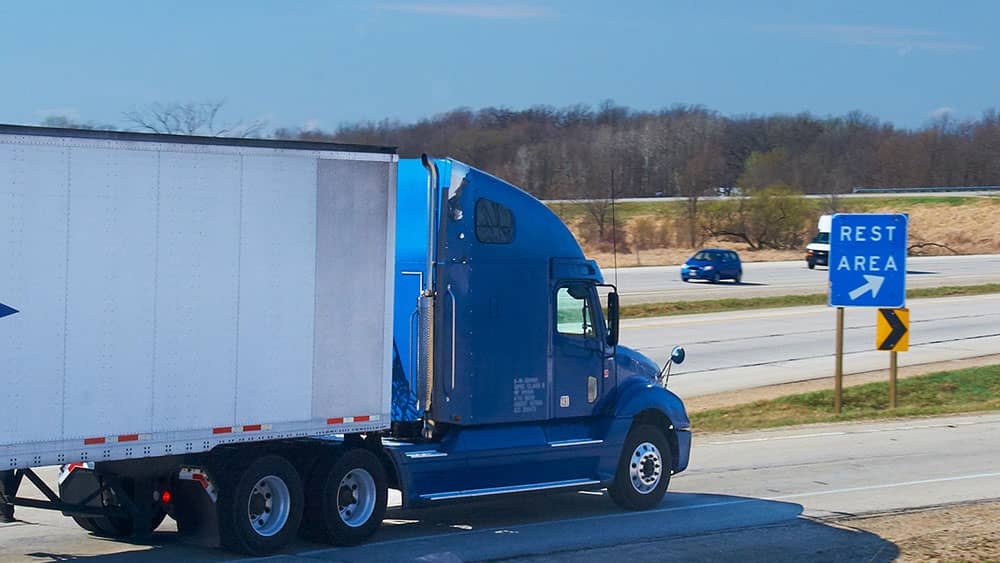
Fatigued Driving Prevention
This course helps drivers understand fatigue, its causes, and how sleep impacts safety. Learners gain practical strategies to avoid fatigued driving and prioritize well-being.

Drug and Alcohol Testing
This training helps drivers understand what job duties pertain to testing, how and when the prohibitions apply, when certain tests are required, the processes they need to follow for testing, what happens if they violate an alcohol or drug prohibition, and the effects caused by alcohol and drug use.

CDL Class A Driver Training: Defensive Driving: Visual Search
This training is designed to help CDL Class A drivers learn the skills required to conduct an effective visual search.

Hours of Service Training: Basics
This training program covers the fundamentals of hours-of-service regulations and what it means to be regulated.
- 1-3
- 4-6
- 7-9
Protect Your Drivers & Ensure DOT Compliance
- START TRAINING FOR FREE
Explore Our Training Curriculums
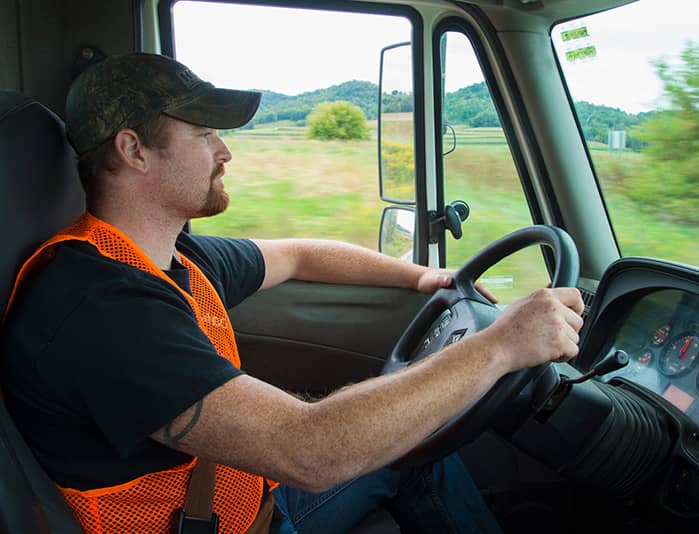

Reasonable Suspicion Training
This Reasonable Suspicion Training curriculum is designed to help driver supervisors understand how to deal with a driver who may be impaired by alcohol and/or drugs. This program fully satisfies the requirements of 49 CFR 382.603.

Entry-Level Driver Training
J. J. Keller’s online ELDT courses will help you exceed the FMCSA’s mandated theory instruction requirements. These interactive, expert-backed programs are designed to be used in tandem with our student and trainer manuals as part of a thorough program.
Hours of Service Training
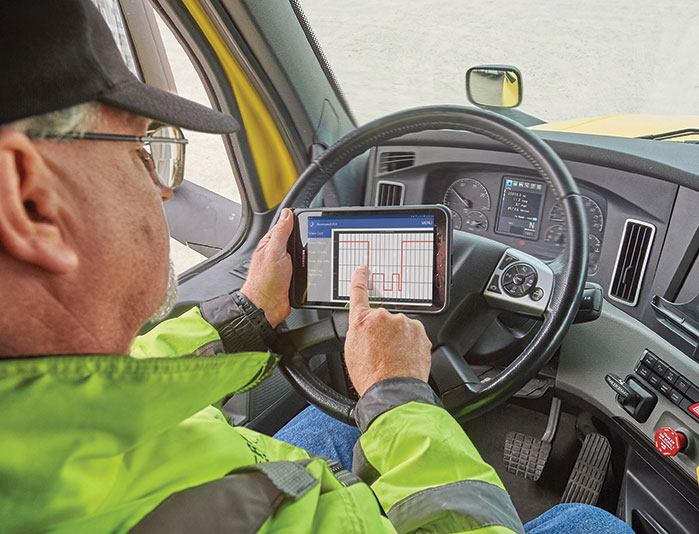
J. J. Keller’s Hours of Service Training will help you familiarize your drivers with the hours of service regulations, as well as give them an understanding of how hours of service limits affect safety and productivity.

Corrective Action Training
This series of driver training online courses will help you provide concise remedial training on transport safety and compliance topics. Use the online training to help prevent accidents and violations.
Yard Driver Training
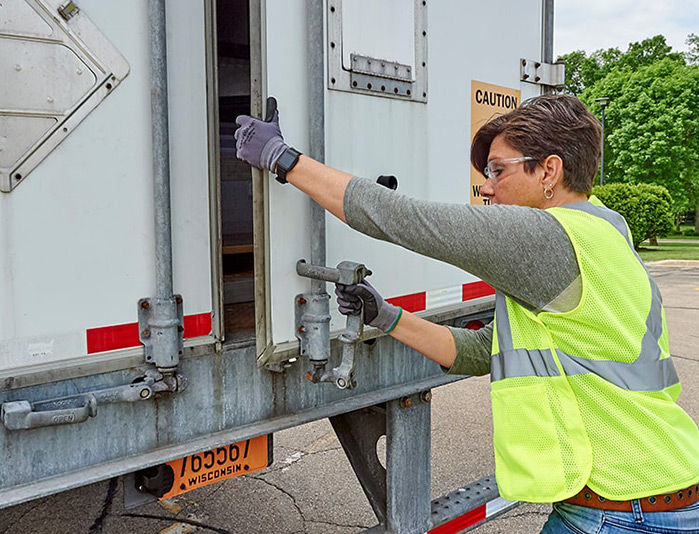
The Yard Driver Training curriculum is designed to provide yard drivers (yard jockeys) with the knowledge, skills, and behaviors necessary to operate a yard vehicle safely and in compliance with applicable regulations.
Canada Driver Training
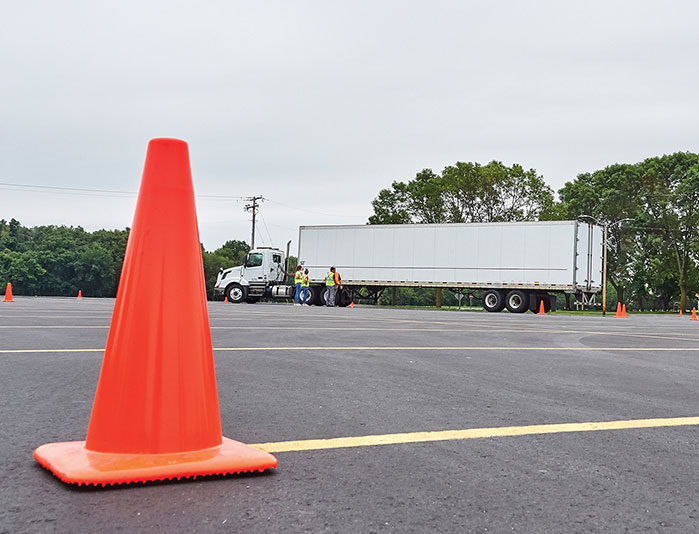
Canada Driver Training helps drivers succeed by teaching them how to operate a commercial motor vehicle (CMV) skillfully and safely. It also helps them understand the regulations that apply to them, be alert and defensive on the road, and provide professional customer service.
CDL Class A Driver Training
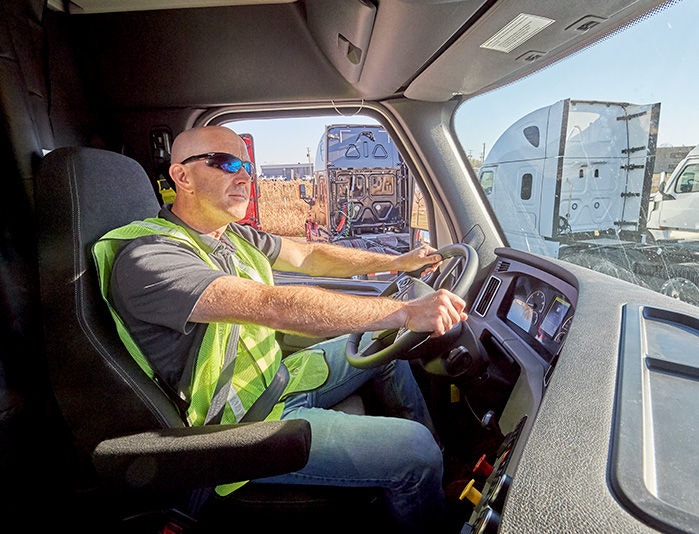
Support your driver training program with a flexible, FMCSA-aligned curriculum. CDL Class A Driver Training offers 44 modules designed to help your team build safe driving habits and meet regulatory requirements with confidence.
FROM OUR
CUSTOMERS...
J. J. Keller Training has made it more convenient to train our drivers who are independent contractors, especially since many of the courses are mobile friendly. The course content is always up to date and includes helpful quizzes along the way along with a final test. I have had many positive responses from drivers after completing the courses. I would definitely recommend this service.
Debbie Raymond | Schuylkill Haven, PA
- Debbie Raymond
Transportation Safety Training FAQs
There are only a handful of required DOT training topics. They include entry-level driver training, education/instruction on drug and alcohol testing requirements, and training for vehicle inspectors. However, Section 390.3(e) of the Federal Motor Carrier Safety Regulations (FMCSRs) states that:
- Every employer must be knowledgeable of and comply with all regulations contained in the FMCSRs that are applicable to that motor carrier’s operations;
- Every driver and employee must be instructed regarding, and must comply with, all applicable regulations contained in the FMCSRs; and
- All motor vehicle equipment and accessories required by the FMCSRs must be maintained in compliance with all applicable performance and design criteria set forth in the FMCSRs.
Motor carriers can help meet these requirements by having a comprehensive training program.
Though a motor carrier cannot be cited for not training on a specific topic, not training a driver can have consequences if violations are cited.
Civil penalties (fines) are determined based on limits stated in the regulations and consideration of information available at the time the claim is made. This information includes history of prior offenses, degree of culpability, and other matters as justice or public safety may require.
This is where proof of training is very important. Having and documenting training for drivers may not absolve a motor carrier of all fines and penalties, but it can help minimize their severity.
When it comes to “non-required” training, general topics to consider as part of your training program include driver orientation, the regulations, driving skills, and workplace safety. Hours of service, vehicle inspection, and cargo securement are just some of the regulatory topics that should be addressed on a regular basis.
All drivers, including your veteran drivers, can benefit from a review of driving skills. Over time, poor driving habits or incorrect skills can develop, causing a greater risk for accidents, incidents, and near misses.
A review of driving techniques such as backing procedures and turning, as well as procedural issues such as driving in adverse weather conditions and operating at night, are examples of driver training courses that should be delivered on a regular basis.
Additional Industries That May Interest You




Why J. J. Keller® Training?

ROBUST ONLINE TRAINING LIBRARY
Access the industry’s largest online training library, consisting of 950+ unique E-Learning courses, 500+ customizable training resources, and more.

STREAMING VIDEO FOR ADDED IMPACT
Make the most of your classroom training sessions with 300+ hi-res training videos developed by adult learning specialists.

EASY ACCESS ANYTIME, ANYWHERE
Enjoy maximum flexibility with 24/7 access to hundreds of titles through our mobile-friendly site, plus a free app for learners to train on the go.

EXPERT CONTENT YOU CAN TRUST
Backed by 70 years of industry experience, our courses center on actionable learning objectives and receive regular updates from our in-house experts to reflect the latest regulatory changes.

FREE RECORDKEEPING AND REPORTING
Easily track which employees have been trained on which topics and when, and identify any lapses in your training program – at no added cost.

INVALUABLE MANAGEMENT RESOURCES
As an administrator, you’ll gain exclusive access to the J. J. Keller® Reference Hub, where you can reference word-for-word regulations, ask our experts specific compliance questions, and more.