Food Safety Starts with Personal Responsibility
Written by: Rachel Krubsack
Date Posted: 07/20/2026
Every employee plays a critical role in food safety. From handling and preparation to packaging and distribution, each step matters. One small action, like forgetting to wash hands or skipping a step in a process, can lead to serious food safety issues that harm consumers and the business. When food becomes contaminated by bacteria, chemicals, or foreign materials like glass or plastic, it can lead to foodborne illness and serious consequences. Foodborne illness can range from mild symptoms to hospitalization or death. It can also result in product recalls, lost work time, and long-term damage to a company’s reputation.
Food safety depends on consistent, everyday actions by employees at every level – from plant employees to supervisors to food safety leaders. This includes following standard operating procedures (SOPs), maintaining hygiene and sanitation, and reporting hazards right away.
SOPs
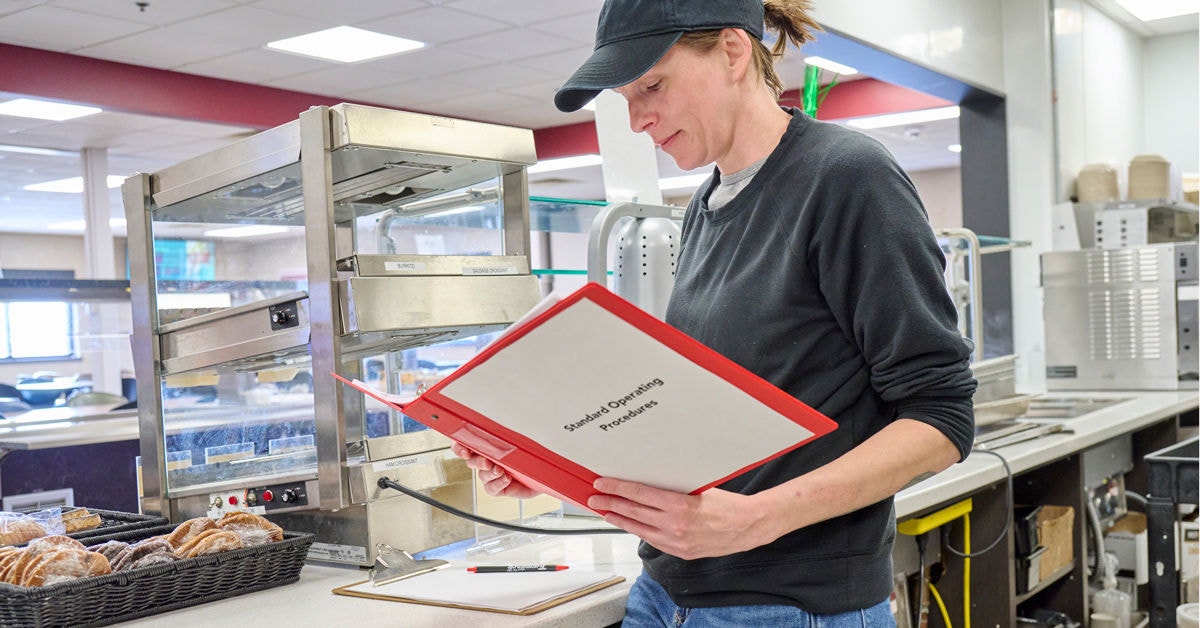
SOPs are written instructions that show employees the correct and safe way to complete a task. They help keep food safe by making sure everyone does the job the same way every time. Most companies have SOPs for such things as handwashing and hygiene, cleaning and sanitizing food contact surfaces, preventing cross-contamination, and allergen control and labeling. If something goes wrong, the SOP helps identify whether the process itself failed or if a step wasn’t followed. This allows the company to quickly address the root cause and take appropriate corrective action.
Maintaining hygiene and sanitation
Proper hygiene keeps food safe. This includes washing hands at the right times (such as after handling raw food) for at least 20 seconds; wearing clean clothing; reporting illness to a supervisor; keeping work areas, tools, and equipment clean and sanitized; and using cleaning chemicals the correct way.
Proper hygiene also means wearing and using personal protective equipment (PPE) correctly to protect both food and employees. When used properly, PPE helps reduce the risk of contamination. Replace PPE when it becomes dirty or damaged.
Identifying and reporting hazards
A hazard is anything that can make food unsafe. Employees must be able to identify and report hazards quickly. Reporting hazards early prevents unsafe product from reaching consumers. Food safety hazards generally fall into three categories:
- Biological: Bacteria, viruses, parasites
- Chemical: Cleaning agents, allergens, pesticides
- Physical: Foreign materials like metal, glass, or plastic
Warning signs include such things as unclean equipment or surfaces, food stored at unsafe temperatures, damaged packaging, and improper chemical storage. Employees should stop work if necessary and follow company procedures for reporting hazards.
Conclusion
Food safety depends on every employee’s actions. Personal responsibility includes following SOPs, maintaining hygiene and sanitation, and reporting hazards right away. When everyone follows food safety standards, the workplace protects customers, coworkers, and the business.
Get Online Food Safety Training
When your employees understand how their actions impact food safety, everyone benefits. J. J. Keller's food safety training helps food manufacturers, processors, distributors and related facilities equip employees with the knowledge and confidence to follow procedures, prevent contamination and support compliance efforts.
Why J. J. Keller® Training?

ROBUST ONLINE TRAINING LIBRARY
Access the industry’s largest online training library, consisting of 950+ unique E-Learning courses, 500+ customizable training resources, and more.

STREAMING VIDEO FOR ADDED IMPACT
Make the most of your classroom training sessions with 300+ hi-res training videos developed by adult learning specialists.

EASY ACCESS ANYTIME, ANYWHERE
Enjoy maximum flexibility with 24/7 access to hundreds of titles through our mobile-friendly site, plus a free app for learners to train on the go.

EXPERT CONTENT YOU CAN TRUST
Backed by 70 years of industry experience, our courses center on actionable learning objectives and receive regular updates from our in-house experts to reflect the latest regulatory changes.

FREE RECORDKEEPING AND REPORTING
Easily track which employees have been trained on which topics and when, and identify any lapses in your training program – at no added cost.

INVALUABLE MANAGEMENT RESOURCES
As an administrator, you’ll gain exclusive access to the J. J. Keller® Reference Hub, where you can reference word-for-word regulations, ask our experts specific compliance questions, and more.