- CIP Systems: Introduction and Best Practices
- Cleaning and Sanitizing in Food Manufacturing (Wet & Dry Environments)
- Controlling Pathogens: E. coli and Salmonella
- Foodborne Illness Prevention Strategies
- Foreign Material Exclusion and Risk Prevention
- FSMA Compliance Overview

A Stronger Food Safety Culture Starts with Employee Training
When your employees understand how their actions impact food safety, everyone benefits.
J. J. Keller’s food safety training helps food manufacturers, processors, transporters, distributors and related facilities equip employees with the knowledge and confidence to follow procedures, prevent contamination and meet FDA, USDA or other industry requirements. The result is stronger food safety culture, greater consistency across operations and enhanced readiness for audits and inspections.
Popular Food Safety Training Topics
Choose from our popular food safety training topics below, or view our full library of HR training titles in the course library.
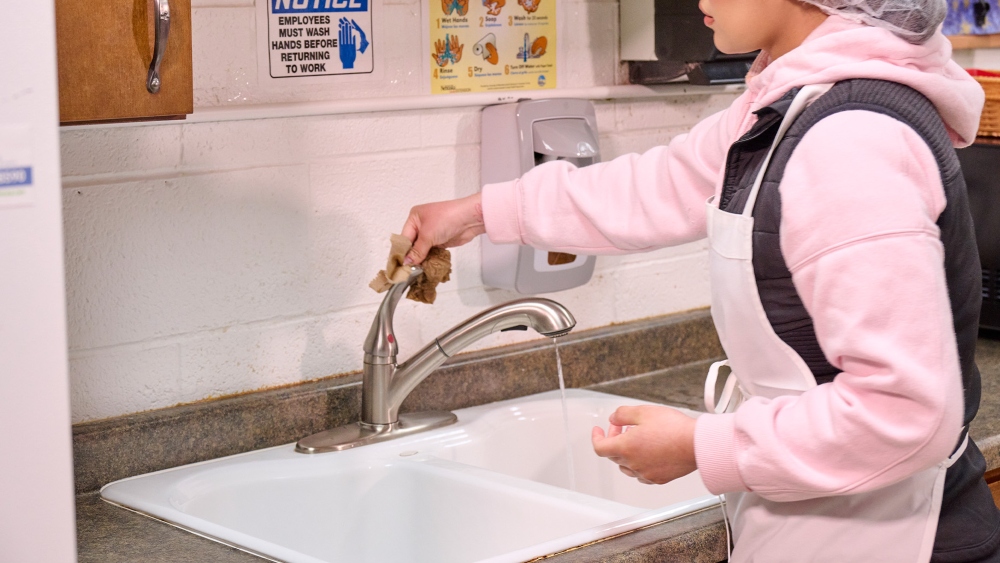
Food Safety Training: Personal Hygiene and Handwashing
This training helps employees prevent contamination and meet FDA/USDA hygiene requirements with clear, practical training on personal hygiene and proper handwashing.
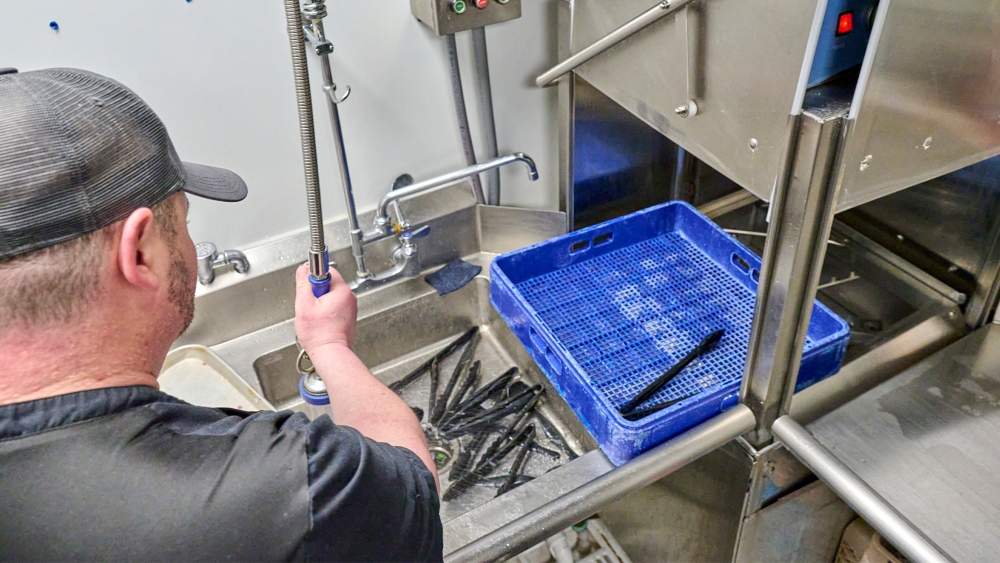
Food Safety Training: Understanding Contamination, Adulteration and Tampering
Help employees recognize contamination, adulteration, and tampering threats across the food supply chain. This training covers food defense principles, mitigation strategies, incident reporting, and actions that help protect consumers and operations.
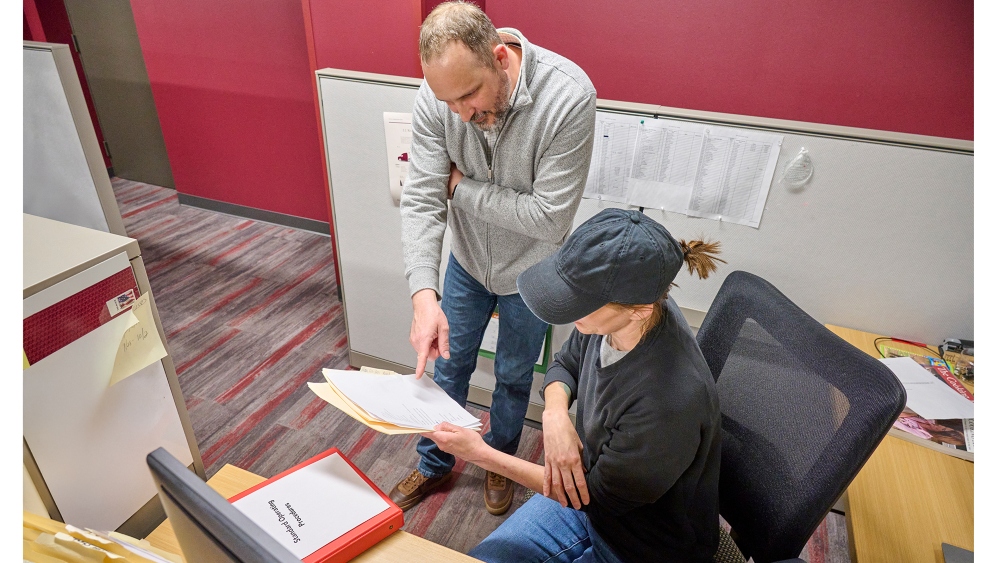
Food Safety Training: Personal Responsibility and Accountability
Help employees understand their role in food safety. This course covers personal responsibility, SOP compliance, contamination prevention, hazard identification, reporting procedures, and accountability to support a strong food safety culture.

Sanitary Food Transportation
This training course is designed to give learners an overview of the FDA's Sanitary Transportation of Human and Animal Food rule.
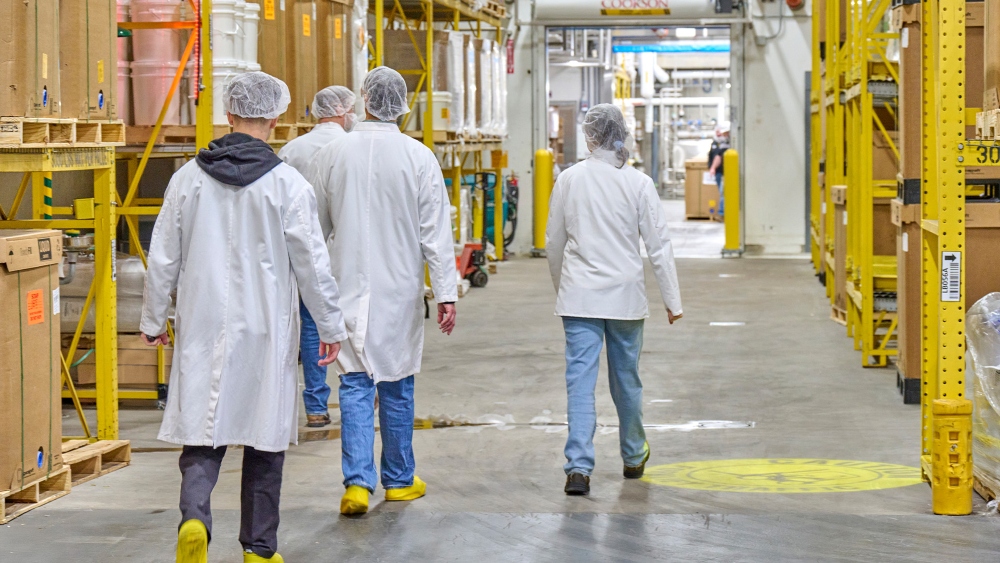
Food Safety Training: Facility Defense and Visitor Safety
Help employees protect food facilities from contamination, tampering, and unauthorized access. Covers visitor controls, access security, food defense awareness, threat identification, hygiene requirements, and incident response.
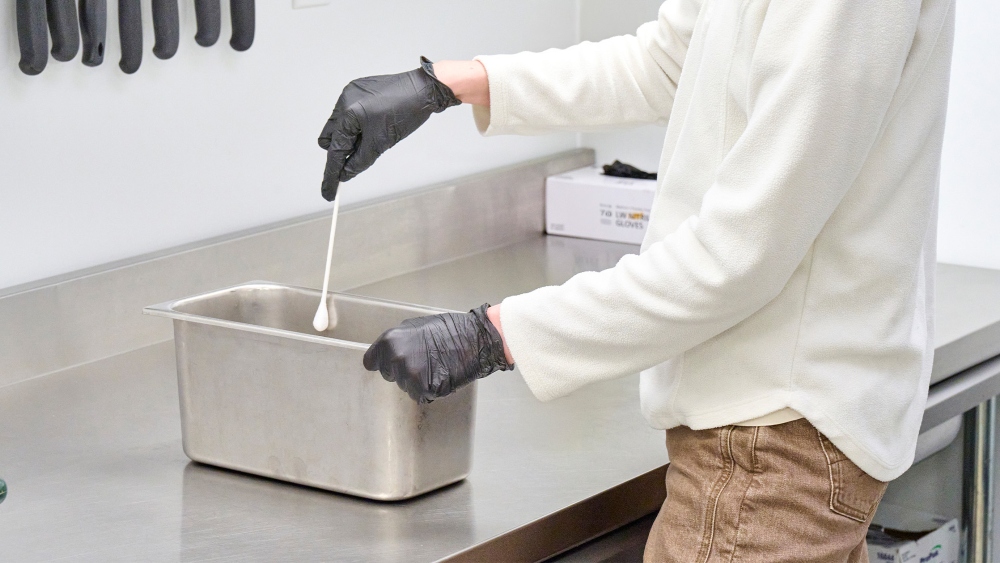
Food Safety Training: Environmental Monitoring and Pest Control
Help food handlers prevent contamination through environmental monitoring, hygienic zoning, swabbing, testing, pest management, corrective actions, and compliance-focused practices.
- 1-3
- 4-6
COMING SOON: New Training Topics!
Our library of high-impact food safety training courses is growing fast. Check back often for new programs covering these key topics:
- HACCP Fundamentals
- Preventing Foodborne Illness
- Preventive Controls in Food Manufacturing
- Record Keeping for Food Safety Programs
- Sanitation Theory and Principles
- Understanding Food Safety Standards: BRC and SQF
Expert Spotlight

Rachel Krubsack
Compliance Expert - Environmental Health & Safety (EHS)
Rachel brings more than 15 years of experience helping organizations understand and comply with workplace safety requirements. Her expertise includes food safety, hazard communication, industrial hygiene, and safety training. As a J. J. Keller Compliance Expert, Rachel develops educational content and provides practical guidance that helps employers build safer, more compliant operations.
Food Safety Training FAQs
Every employee plays a role in preventing contamination, protecting consumers, and maintaining compliance. Food safety failures can result from simple mistakes involving hygiene, sanitation, food handling, allergen control, or equipment use. Training helps employees understand their responsibilities and the actions needed to keep products safe.
Core topics typically include personal hygiene and handwashing, contamination prevention, sanitation practices, Hazard Analysis and Critical Control Points (HACCP) principles, food defense, foreign material prevention, and safe work practices. The exact training needs depend on the employee's job duties and the facility's food safety plan.
Training teaches employees how biological, chemical, and physical hazards enter the food production process and what steps can be taken to prevent them. Employees learn how proper hygiene, sanitation, environmental monitoring, allergen controls, and food handling practices work together to reduce contamination risks.
HACCP is a preventive approach to food safety that identifies hazards and establishes controls to reduce risk. Employees who understand HACCP are better equipped to follow procedures, monitor critical processes, recognize problems, and take appropriate corrective actions when issues arise.
Employees should receive training before beginning their assigned duties. Additional training should be provided whenever processes, products, hazards, equipment, or regulatory requirements change. Refresher training is also recommended periodically to reinforce key food safety practices.
Yes. Auditors often evaluate employee knowledge, training records, sanitation practices, Hazard Analysis and Critical Control Points (HACCP) implementation, and compliance with food safety programs. Effective training helps employees understand requirements and demonstrate consistent food safety practices during inspections and audits.
Training helps employees understand not only what procedures to follow, but why those procedures matter. When employees recognize their role in preventing contamination, protecting consumers, and maintaining product quality, they are more likely to take ownership of food safety responsibilities and make safer decisions every day.
Overcome Compliance Challenges & Create a Safe Workplace
- START TRAINING FOR FREE
FROM OUR
CUSTOMERS...
J. J. Keller Training is the best thing I've ever bought from J. J. Keller. I now spend a day and a half less on each orientation.
Sam Lively | Shreveport, LA
- Lorena Parker
Additional Industries That May Interest You



Why J. J. Keller® Training?

ROBUST ONLINE TRAINING LIBRARY
Access the industry’s largest online training library, consisting of 950+ unique E-Learning courses, 500+ customizable training resources, and more.

STREAMING VIDEO FOR ADDED IMPACT
Make the most of your classroom training sessions with 300+ hi-res training videos developed by adult learning specialists.

EASY ACCESS ANYTIME, ANYWHERE
Enjoy maximum flexibility with 24/7 access to hundreds of titles through our mobile-friendly site, plus a free app for learners to train on the go.

EXPERT CONTENT YOU CAN TRUST
Backed by 70 years of industry experience, our courses center on actionable learning objectives and receive regular updates from our in-house experts to reflect the latest regulatory changes.

FREE RECORDKEEPING AND REPORTING
Easily track which employees have been trained on which topics and when, and identify any lapses in your training program – at no added cost.

INVALUABLE MANAGEMENT RESOURCES
As an administrator, you’ll gain exclusive access to the J. J. Keller® Reference Hub, where you can reference word-for-word regulations, ask our experts specific compliance questions, and more.