Bystander training: Be proactive about protecting your employees
Date Posted: 01/28/2026
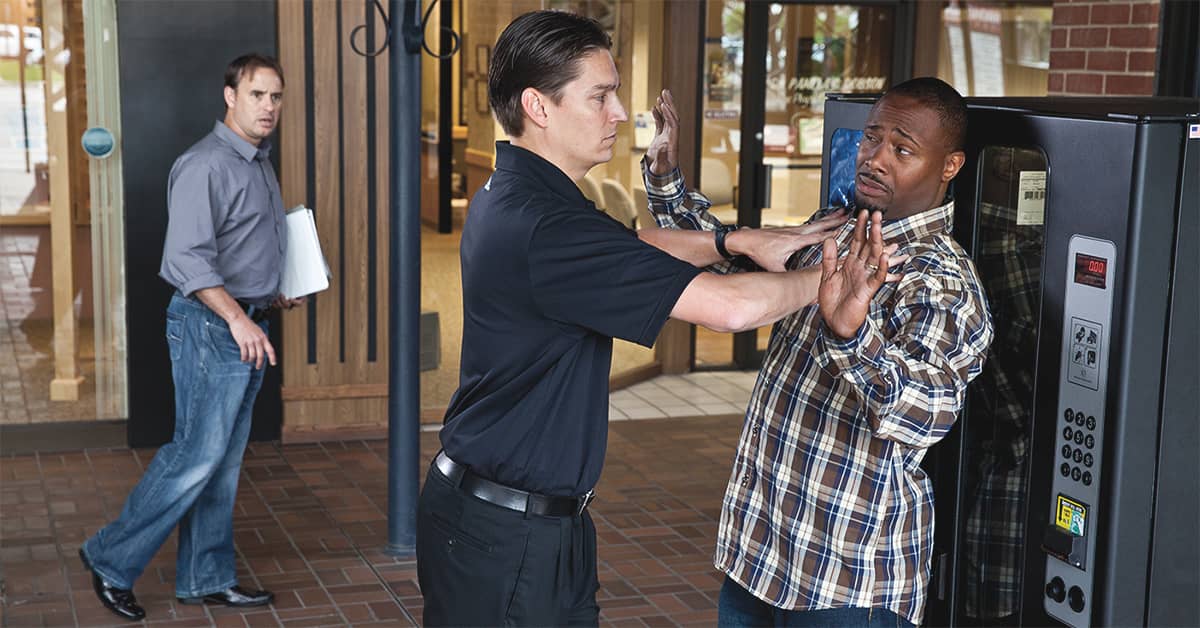
If one of your employees walked into the breakroom and saw a coworker being bullied, would the employee know what to do? In that moment, the employee (who has now taken on the role of being a “bystander”) has three choices to make:
- Condone the bullying behavior by joining in,
- Do nothing/walk away, or
- Intervene (safely).
The employee’s split-second decision could impact your workplace safety and culture in a positive or negative way. Choosing to intervene safely is the right choice. But your employees need to be trained in recognizing workplace bullying and how to stop it.
Bullying behaviors
Workplace bullying is repeated, unwelcome behavior that humiliates or intimidates a coworker or sabotages the person’s performance. Even if employees are working remotely, bullying can still occur through emails, chat messages, texts, and calls.
Bullying can have significant psychological effects. When it comes to prevention, a bystander can take an active role and intervene. A bystander to bullying is anyone who witnesses bullying either in person or in digital forms. Bystanders have the potential to make a positive difference in a bullying situation.
Bystander basics
As you set your priorities for 2026, consider adding bystander training to your workplace violence prevention plan. Share the following tactics for employees to use should they become bystanders:
- Distract: Create a minor distraction to disrupt the situation.
- Drop some pens/paper.
- Pretend to be looking for something.
- Reach for something in a cupboard.
- Redirect: Say something to redirect the conversation and shift the focus.
- Get help: Intervene as a group or get a supervisor nearby. There is strength in numbers.
- Remove target: Walk away with the person who is the bully’s target to help diffuse the situation.
- “Hey, can you come help me over here with something?”
- “The boss is looking for you right now. I’ll show you where to go.”
- Follow up: Reach out to check in with the person who was bullied to show support.
Another option for a bystander is to be direct and tell the bully to stop. This could be a risky move, however, and the bystander should first consider whether it might escalate matters.
Key to remember: Teach employees what to do if they witness bullying behaviors and how to be helpful bystanders.
Strengthen Your Workplace Violence Prevention Plan
Help employees recognize bullying, harassment, and unsafe behaviors before they escalate. J. J. Keller® Training offers courses that support a safer, more respectful workplace, including:
Why J. J. Keller® Training?

ROBUST ONLINE TRAINING LIBRARY
Access the industry’s largest online training library, consisting of 950+ unique E-Learning courses, 500+ customizable training resources, and more.

STREAMING VIDEO FOR ADDED IMPACT
Make the most of your classroom training sessions with 300+ hi-res training videos developed by adult learning specialists.

EASY ACCESS ANYTIME, ANYWHERE
Enjoy maximum flexibility with 24/7 access to hundreds of titles through our mobile-friendly site, plus a free app for learners to train on the go.

EXPERT CONTENT YOU CAN TRUST
Backed by 70 years of industry experience, our courses center on actionable learning objectives and receive regular updates from our in-house experts to reflect the latest regulatory changes.
FREE RECORDKEEPING AND REPORTING
Easily track which employees have been trained on which topics and when, and identify any lapses in your training program – at no added cost.

INVALUABLE MANAGEMENT RESOURCES
As an administrator, you’ll gain exclusive access to the J. J. Keller® Reference Hub, where you can reference word-for-word regulations, ask our experts specific compliance questions, and more.